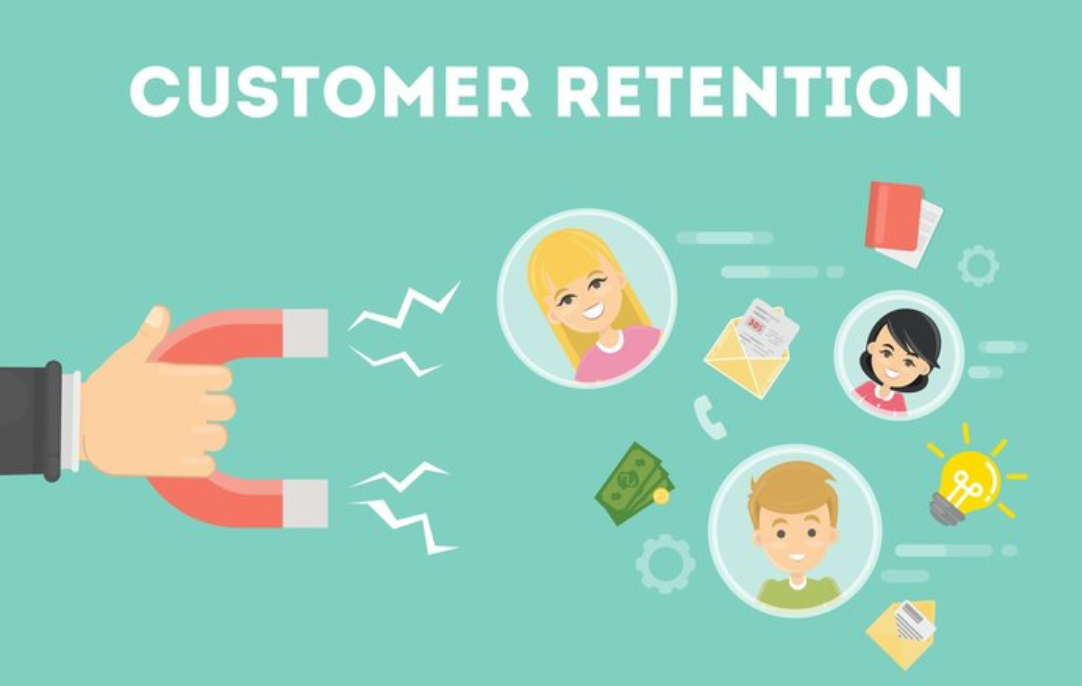
In today’s highly competitive business environment, retaining customers is just as important—if not more important—than acquiring new ones. Studies consistently show that acquiring a new customer can cost five times more than retaining an existing one. This is where Customer Relationship Management (CRM) systems play a crucial role.
A CRM system is more than just a database of customer information. It is a powerful tool that enables businesses to build stronger relationships, streamline communication, and deliver personalized experiences that keep customers coming back. In this article, we will explore in depth how CRM systems help businesses improve customer retention, why they are essential, and how companies can maximize their potential.
What is a CRM System?
A Customer Relationship Management (CRM) system is a software solution designed to help businesses manage interactions with current and potential customers. It centralizes customer data, tracks communication history, and automates various business processes such as sales, marketing, and customer support.
Modern CRM platforms provide features such as:
- Contact management
- Sales tracking
- Customer support tools
- Marketing automation
- Analytics and reporting
By consolidating all customer-related information into one platform, CRM systems provide a complete view of each customer, enabling businesses to better understand their needs and behaviors.
Why Customer Retention Matters
Customer retention is the ability of a business to keep its customers over time. High retention rates indicate customer satisfaction, loyalty, and consistent value delivery.
Key Benefits of Customer Retention:
- Increased Revenue
Loyal customers tend to spend more and purchase more frequently. - Lower Marketing Costs
Retaining customers is more cost-effective than acquiring new ones. - Stronger Brand Loyalty
Satisfied customers are more likely to recommend your business. - Higher Customer Lifetime Value (CLV)
Long-term customers generate more value over time.
Given these benefits, it’s clear why businesses invest in CRM systems to improve retention strategies.
How CRM Systems Improve Customer Retention
1. Centralized Customer Data
One of the most important features of a CRM system is its ability to centralize customer data. Instead of scattered spreadsheets or disconnected systems, all customer information is stored in one place.
Benefits:
- Easy access to customer history
- Better understanding of customer preferences
- Improved decision-making
With a complete customer profile, businesses can tailor their interactions and provide a more personalized experience.
2. Personalized Customer Experiences
Personalization is a key driver of customer retention. Customers expect businesses to understand their needs and preferences.
CRM systems enable personalization by:
- Tracking purchase history
- Recording customer interactions
- Segmenting customers based on behavior
Example:
A CRM can help send personalized emails based on previous purchases or recommend products tailored to individual preferences.
This level of personalization makes customers feel valued, increasing their likelihood of staying loyal.
3. Improved Customer Communication
Effective communication is essential for building strong customer relationships. CRM systems help businesses maintain consistent and timely communication.
Features:
- Email integration
- Automated follow-ups
- Communication tracking
By ensuring that no customer inquiry or request is overlooked, businesses can build trust and reliability.
4. Faster Customer Support
Customer support plays a critical role in retention. A single negative experience can drive customers away.
CRM systems improve support by:
- Providing quick access to customer information
- Automating ticketing systems
- Tracking issue resolution
Result:
Customers receive faster and more efficient support, leading to higher satisfaction and loyalty.
5. Automation of Routine Tasks
CRM systems automate repetitive tasks such as:
- Sending follow-up emails
- Scheduling appointments
- Updating customer records
Automation ensures consistency and reduces human error, allowing teams to focus on building relationships rather than administrative work.
6. Customer Segmentation
Not all customers are the same. CRM systems allow businesses to segment customers based on various criteria such as:
- Demographics
- Purchase behavior
- Engagement level
Benefits:
- Targeted marketing campaigns
- Relevant communication
- Better customer engagement
Segmentation ensures that customers receive content and offers that are relevant to them, increasing retention rates.
7. Data-Driven Insights and Analytics
CRM systems provide powerful analytics tools that help businesses understand customer behavior.
Key Metrics:
- Customer retention rate
- Churn rate
- Customer lifetime value
By analyzing these metrics, businesses can identify trends, predict customer needs, and take proactive steps to improve retention.
8. Proactive Customer Engagement
Instead of reacting to customer issues, CRM systems enable proactive engagement.
Examples:
- Sending reminders before subscription renewals
- Offering discounts to inactive customers
- Identifying customers at risk of churn
Proactive engagement helps businesses address issues before they escalate, improving customer satisfaction.
9. Consistent Customer Experience Across Channels
Customers interact with businesses through multiple channels such as email, social media, and phone.
CRM systems ensure a consistent experience by:
- Integrating multiple communication channels
- Providing a unified customer view
- Maintaining interaction history
This consistency builds trust and enhances the overall customer experience.
10. Building Long-Term Relationships
Ultimately, CRM systems are designed to help businesses build long-term relationships with customers.
By understanding customer needs, providing personalized experiences, and maintaining consistent communication, businesses can foster loyalty and trust.
Best Practices for Using CRM to Improve Retention
To maximize the benefits of a CRM system, businesses should follow these best practices:
1. Keep Data Updated
Ensure that customer information is accurate and up to date.
2. Train Your Team
Employees should understand how to use the CRM effectively.
3. Focus on Customer Experience
Use CRM insights to enhance customer interactions.
4. Use Automation Wisely
Automate repetitive tasks but maintain a human touch.
5. Monitor Performance
Regularly analyze CRM data to improve strategies.
Common Challenges and How to Overcome Them
1. Poor Data Quality
Solution: Regular data cleaning and validation.
2. Low User Adoption
Solution: Provide training and emphasize benefits.
3. Over-Automation
Solution: Balance automation with personalized communication.
4. Integration Issues
Solution: Choose a CRM that integrates well with existing tools.
Future Trends in CRM and Customer Retention
The future of CRM systems is driven by advanced technologies such as:
1. Artificial Intelligence (AI)
AI enables predictive analytics and personalized recommendations.
2. Machine Learning
Improves customer insights and automation.
3. Omnichannel Integration
Seamless customer experience across all platforms.
4. Real-Time Data Processing
Instant insights for better decision-making.
Businesses that adopt these technologies will have a competitive advantage in customer retention.
Conclusion
CRM systems have become an essential tool for businesses looking to improve customer retention. By centralizing data, enabling personalization, improving communication, and providing valuable insights, CRM platforms empower businesses to build stronger relationships with their customers.
In a world where customer expectations are constantly rising, businesses must leverage CRM systems to stay competitive. Those that invest in the right CRM strategy will not only retain customers but also turn them into loyal advocates.
Ultimately, customer retention is not just about keeping customers—it’s about creating meaningful experiences that encourage long-term loyalty. And CRM systems are the foundation that makes this possible.
FAQ Section
What is the main purpose of a CRM system?
The main purpose is to manage customer relationships, improve communication, and enhance customer satisfaction.
How does CRM increase customer loyalty?
By providing personalized experiences and consistent communication.
Can small businesses benefit from CRM systems?
Yes, CRM systems are valuable for businesses of all sizes.
Is CRM only for sales teams?
No, CRM systems are used by sales, marketing, and customer support teams.
Final Thoughts
Investing in a CRM system is not just a technological upgrade—it’s a strategic move toward building lasting customer relationships. Businesses that prioritize customer retention through CRM will enjoy higher profitability, stronger brand loyalty, and long-term success.