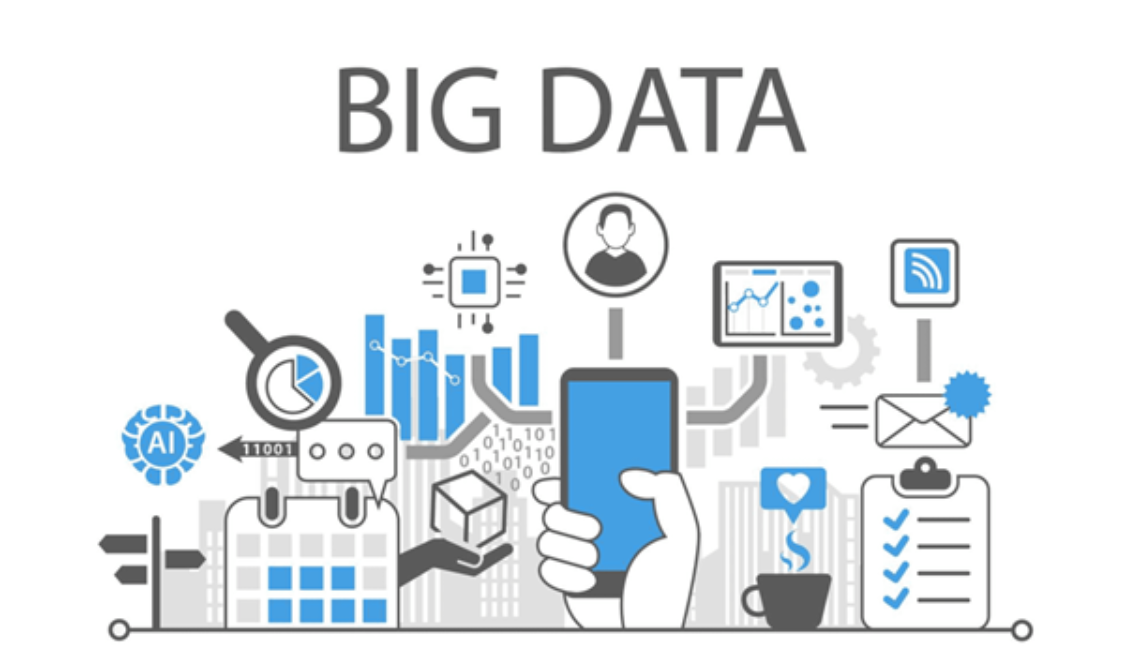
In today’s digital economy, data is often described as the new oil—but unlike oil, its value depends entirely on how effectively it is refined and utilized. Businesses that harness data intelligently gain a significant competitive advantage, from improving customer experiences to optimizing operations and predicting market trends. This is where big data tools and technologies come into play.
Big data refers to massive volumes of structured and unstructured data generated from various sources such as social media, IoT devices, transaction systems, and more. Handling such data requires specialized tools designed for storage, processing, analysis, and visualization. In this comprehensive guide, we will explore the best big data tools and technologies that empower data-driven businesses to succeed.
What is Big Data?
Big data is characterized by the famous “3 Vs”:
- Volume: Massive amounts of data generated every second
- Velocity: The speed at which data is produced and processed
- Variety: Different types of data (structured, semi-structured, unstructured)
Some experts also include additional dimensions such as Veracity (data accuracy) and Value (usefulness of data).
Businesses use big data to gain insights, automate processes, and make informed decisions. However, extracting value from big data requires a robust ecosystem of tools and technologies.
Why Big Data Tools Matter for Businesses
Big data tools are essential for:
- Processing large datasets efficiently
- Real-time data analytics
- Improving decision-making
- Enhancing customer personalization
- Detecting fraud and anomalies
- Scaling operations with minimal cost
Without the right tools, data remains untapped and businesses miss out on valuable insights.
Categories of Big Data Tools
Big data technologies can be broadly categorized into:
- Data Storage Tools
- Data Processing Frameworks
- Data Integration Tools
- Data Analytics Tools
- Data Visualization Tools
- Machine Learning Platforms
Let’s explore the best tools in each category.
1. Data Storage Tools
Apache Hadoop
Apache Hadoop is one of the most widely used frameworks for distributed storage. It uses the Hadoop Distributed File System (HDFS) to store data across multiple nodes.
Key features:
- Scalable and cost-effective
- Fault-tolerant
- Handles structured and unstructured data
Amazon S3
Amazon Simple Storage Service (S3) is a cloud-based object storage service.
Key features:
- High durability and availability
- Easy integration with other tools
- Pay-as-you-go pricing
Google Cloud Storage
Google Cloud Storage provides secure and scalable cloud storage.
Key features:
- Global accessibility
- Strong data consistency
- Seamless integration with analytics tools
2. Data Processing Frameworks
Apache Spark
Apache Spark is a fast, in-memory data processing engine widely used for big data analytics.
Key features:
- Lightning-fast processing
- Supports batch and real-time processing
- Built-in libraries for SQL, streaming, and machine learning
Apache Flink
Apache Flink is designed for real-time stream processing.
Key features:
- Low latency
- High throughput
- Advanced event-time processing
Apache Storm
Apache Storm is another real-time computation system.
Key features:
- Real-time analytics
- Scalable architecture
- Fault tolerance
3. Data Integration Tools
Apache Kafka
Apache Kafka is a distributed event streaming platform.
Key features:
- Real-time data pipelines
- High throughput
- Fault-tolerant messaging system
Talend
Talend is a popular ETL (Extract, Transform, Load) tool.
Key features:
- User-friendly interface
- Cloud integration
- Data quality management
Informatica
Informatica is an enterprise-grade data integration platform.
Key features:
- Advanced data governance
- Scalability
- Automation capabilities
4. Data Analytics Tools
Apache Hive
Apache Hive is a data warehouse system built on Hadoop.
Key features:
- SQL-like query language
- Handles large datasets
- Easy integration with BI tools
Presto
Presto is a distributed SQL query engine.
Key features:
- Fast query execution
- Supports multiple data sources
- Ideal for interactive analytics
Apache Drill
Apache Drill allows schema-free SQL queries.
Key features:
- Flexibility
- Supports multiple formats
- Real-time query capability
5. Data Visualization Tools
Tableau
Tableau is a leading data visualization platform.
Key features:
- Interactive dashboards
- Drag-and-drop interface
- Real-time analytics
Power BI
Power BI by Microsoft is a powerful business intelligence tool.
Key features:
- Seamless integration with Microsoft products
- Affordable pricing
- AI-powered insights
Looker
Looker is a modern data platform for visualization and analytics.
Key features:
- Cloud-based
- Data modeling capabilities
- Collaboration features
6. Machine Learning Platforms
TensorFlow
TensorFlow is an open-source machine learning framework.
Key features:
- Flexible architecture
- Supports deep learning
- Scalable deployment
PyTorch
PyTorch is widely used for research and production.
Key features:
- Dynamic computation graph
- Easy debugging
- Strong community support
H2O.ai
H2O.ai provides automated machine learning solutions.
Key features:
- AutoML capabilities
- Scalable
- Enterprise-ready
How to Choose the Right Big Data Tools
Selecting the right tools depends on several factors:
1. Business Needs
Understand your objectives, whether it’s real-time analytics, predictive modeling, or reporting.
2. Scalability
Choose tools that can grow with your business.
3. Budget
Consider total cost of ownership, including infrastructure and maintenance.
4. Ease of Use
User-friendly tools reduce training time and increase productivity.
5. Integration
Ensure compatibility with existing systems.
Benefits of Using Big Data Technologies
Implementing big data tools offers numerous advantages:
- Improved decision-making through data insights
- Enhanced customer experience
- Increased operational efficiency
- Competitive advantage
- Better risk management
Challenges in Big Data Implementation
Despite its benefits, big data comes with challenges:
- Data security and privacy concerns
- High implementation costs
- Skill shortages
- Data quality issues
- Integration complexities
Addressing these challenges requires proper planning and the right technology stack.
Future Trends in Big Data
The big data landscape is evolving rapidly. Key trends include:
1. AI and Big Data Integration
Artificial intelligence is increasingly integrated with big data analytics.
2. Real-Time Analytics
Businesses demand faster insights for immediate decision-making.
3. Edge Computing
Processing data closer to the source reduces latency.
4. Data Democratization
More users across organizations can access and analyze data.
5. Cloud-Native Solutions
Cloud platforms continue to dominate big data infrastructure.
Conclusion
Big data tools and technologies are the backbone of modern data-driven businesses. From storage and processing to analytics and visualization, each component plays a crucial role in transforming raw data into actionable insights.
Choosing the right combination of tools can help businesses unlock the full potential of their data, drive innovation, and stay ahead in a competitive market. As technology continues to evolve, organizations that embrace big data will be better positioned to adapt, grow, and succeed in the digital age.
Final Thoughts
Investing in big data is no longer optional—it is a necessity. Whether you are a startup or a large enterprise, leveraging the right tools can make all the difference. By understanding your needs and aligning them with the best technologies, you can build a powerful data ecosystem that fuels long-term success.
Start small, scale gradually, and always keep your business goals at the center of your data strategy.