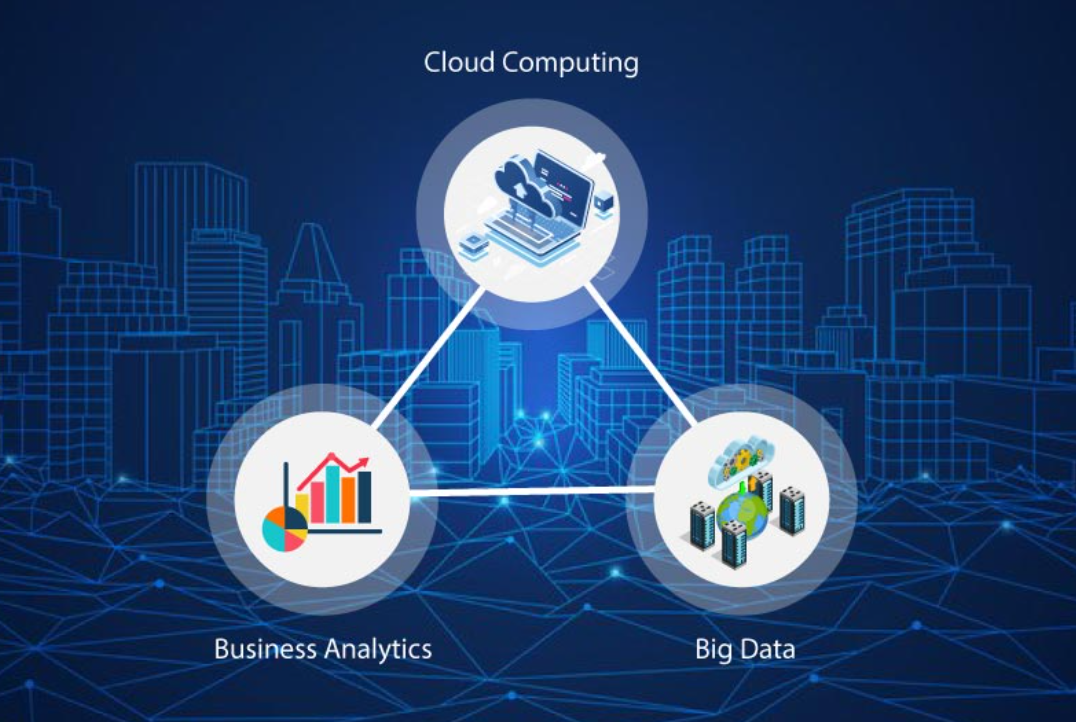
In today’s digital era, data has become one of the most valuable assets for businesses, governments, and organizations worldwide. Every second, massive volumes of data are generated from social media platforms, IoT devices, mobile applications, and enterprise systems. This explosion of information is commonly referred to as big data. However, managing and extracting meaningful insights from such enormous datasets requires advanced technologies and scalable infrastructure.
This is where cloud data plays a transformative role. Cloud computing has revolutionized how data is stored, processed, and analyzed, enabling organizations to leverage big data and advanced analytics more effectively than ever before. By offering flexibility, scalability, and cost efficiency, cloud platforms empower businesses to turn raw data into actionable intelligence.
In this article, we will explore how cloud data supports big data and advanced analytics, its key benefits, underlying technologies, real-world applications, and future trends.
Understanding Big Data and Advanced Analytics
What is Big Data?
Big data refers to extremely large and complex datasets that cannot be efficiently processed using traditional data management tools. It is typically defined by the “3 Vs”:
- Volume – Massive amounts of data generated daily
- Velocity – The speed at which data is created and processed
- Variety – Different types of data (structured, semi-structured, and unstructured)
Over time, additional dimensions such as Veracity (data quality) and Value (usefulness of data) have also been added.
What is Advanced Analytics?
Advanced analytics involves the use of sophisticated techniques and tools to analyze data and extract deeper insights. These include:
- Predictive analytics
- Machine learning
- Artificial intelligence
- Data mining
- Statistical modeling
Advanced analytics helps organizations forecast trends, optimize operations, and make data-driven decisions.
What is Cloud Data?
Cloud data refers to data that is stored, managed, and processed in cloud computing environments rather than on-premises infrastructure. Cloud providers offer services that allow organizations to store vast amounts of data and access it from anywhere via the internet.
Cloud data platforms typically include:
- Data storage (data lakes and data warehouses)
- Data processing tools
- Analytics and visualization tools
- Machine learning services
By moving data to the cloud, organizations gain access to virtually unlimited computing resources without the need for heavy upfront investments.
The Role of Cloud Data in Big Data
1. Scalability and Elasticity
One of the most significant advantages of cloud data is its scalability. Big data workloads often require large amounts of storage and computing power, which can fluctuate over time.
Cloud platforms allow organizations to:
- Scale storage up or down instantly
- Allocate computing resources on demand
- Handle sudden spikes in data volume
This elasticity ensures that businesses only pay for the resources they use, making it both efficient and cost-effective.
2. Cost Efficiency
Traditional data infrastructure requires significant capital investment in hardware, maintenance, and upgrades. In contrast, cloud data operates on a pay-as-you-go model.
Benefits include:
- Reduced upfront costs
- Lower maintenance expenses
- No need for physical infrastructure
- Efficient resource utilization
This makes advanced analytics accessible even to small and medium-sized enterprises.
3. Centralized Data Storage
Cloud platforms enable centralized storage of data from multiple sources. This is essential for big data analytics, as it allows organizations to integrate and analyze diverse datasets in one place.
Centralization helps:
- Eliminate data silos
- Improve data consistency
- Simplify data management
- Enhance collaboration across teams
4. High-Speed Data Processing
Cloud environments provide powerful processing capabilities that are essential for handling big data workloads.
Technologies such as:
- Distributed computing
- Parallel processing
- In-memory computing
enable rapid analysis of large datasets, significantly reducing the time required to generate insights.
How Cloud Data Enables Advanced Analytics
1. Integration with Machine Learning and AI
Cloud platforms offer built-in machine learning and AI services that simplify the development and deployment of advanced analytics models.
Key advantages include:
- Pre-built algorithms and models
- Automated machine learning (AutoML)
- Scalable training environments
- Real-time inference capabilities
This allows organizations to implement predictive analytics without requiring extensive expertise.
2. Data Lakes and Data Warehouses
Cloud data supports both data lakes and data warehouses, which are essential for advanced analytics.
- Data Lakes store raw, unstructured data in its original format
- Data Warehouses store structured data optimized for querying and analysis
Combining these two approaches enables organizations to perform both exploratory and structured analytics efficiently.
3. Real-Time Analytics
Modern businesses require real-time insights to stay competitive. Cloud data platforms support real-time data streaming and analytics.
Use cases include:
- Fraud detection
- Customer behavior analysis
- Operational monitoring
- Personalized recommendations
Real-time analytics allows organizations to respond quickly to changing conditions and make proactive decisions.
4. Data Integration and ETL Processes
Cloud platforms simplify data integration through ETL (Extract, Transform, Load) and ELT processes.
These processes help:
- Collect data from multiple sources
- Clean and transform data
- Load data into analytics systems
Cloud-based ETL tools are highly scalable and can handle large volumes of data efficiently.
Key Technologies Behind Cloud Data and Big Data Analytics
1. Distributed Storage Systems
Cloud data relies on distributed storage systems that store data across multiple servers. This ensures:
- High availability
- Fault tolerance
- Faster data access
Examples include object storage and distributed file systems.
2. Big Data Processing Frameworks
Frameworks such as Apache Hadoop and Apache Spark are commonly used in cloud environments to process big data.
They enable:
- Parallel data processing
- Batch and real-time analytics
- Efficient handling of large datasets
3. Serverless Computing
Serverless computing allows organizations to run data processing tasks without managing servers.
Benefits include:
- Automatic scaling
- Reduced operational overhead
- Cost efficiency
Serverless architectures are particularly useful for event-driven analytics.
4. Data Governance and Security Tools
Cloud providers offer robust security and governance features to protect sensitive data.
These include:
- Encryption
- Access control
- Data masking
- Compliance monitoring
Strong security measures are essential for maintaining trust and regulatory compliance.
Real-World Applications
1. Healthcare
Cloud data enables healthcare organizations to analyze patient data, improve diagnostics, and develop personalized treatment plans.
Applications include:
- Predictive disease modeling
- Medical imaging analysis
- Remote patient monitoring
2. Finance
Financial institutions use cloud-based analytics for:
- Fraud detection
- Risk management
- Algorithmic trading
- Customer segmentation
3. Retail and E-Commerce
Retailers leverage cloud data to:
- Analyze customer behavior
- Optimize inventory
- Personalize marketing campaigns
- Improve supply chain efficiency
4. Manufacturing
In manufacturing, cloud data supports:
- Predictive maintenance
- Quality control
- Production optimization
- IoT data analysis
Challenges and Considerations
While cloud data offers numerous benefits, there are also challenges to consider:
1. Data Security and Privacy
Storing sensitive data in the cloud raises concerns about:
- Data breaches
- Unauthorized access
- Compliance with regulations
Organizations must implement strong security measures to mitigate risks.
2. Data Migration
Migrating large datasets to the cloud can be complex and time-consuming.
Challenges include:
- Data transfer speed
- Compatibility issues
- Downtime risks
Proper planning and strategy are essential for successful migration.
3. Cost Management
Although cloud computing is cost-effective, improper usage can lead to unexpected expenses.
Organizations need to:
- Monitor resource usage
- Optimize workloads
- Implement cost-control strategies
4. Skill Gaps
Implementing cloud-based analytics requires specialized skills in:
- Data engineering
- Machine learning
- Cloud architecture
Investing in training and hiring skilled professionals is crucial.
Best Practices for Leveraging Cloud Data
To maximize the benefits of cloud data for big data and advanced analytics, organizations should follow these best practices:
1. Define Clear Objectives
Identify specific business goals and use cases for analytics.
2. Choose the Right Cloud Platform
Select a cloud provider that aligns with your needs in terms of:
- Scalability
- Security
- Analytics capabilities
3. Implement Strong Data Governance
Ensure data quality, security, and compliance through effective governance policies.
4. Optimize Data Architecture
Design a robust data architecture that supports both data lakes and warehouses.
5. Leverage Automation
Use automation tools to streamline data processing and analytics workflows.
Future Trends
The future of cloud data, big data, and advanced analytics is promising, with several emerging trends:
1. Edge Computing Integration
Combining cloud data with edge computing will enable faster processing of data closer to its source.
2. AI-Driven Analytics
Artificial intelligence will play an increasingly important role in automating analytics and generating insights.
3. Multi-Cloud and Hybrid Cloud Strategies
Organizations will adopt multi-cloud and hybrid cloud approaches for greater flexibility and resilience.
4. Data Democratization
Cloud platforms will make data and analytics accessible to a broader range of users, not just technical experts.
Conclusion
Cloud data has become a cornerstone of modern big data and advanced analytics. By providing scalable infrastructure, powerful processing capabilities, and integrated analytics tools, cloud platforms enable organizations to harness the full potential of their data.
From real-time analytics to AI-driven insights, the synergy between cloud data and big data technologies is transforming industries and driving innovation. While challenges such as security and cost management remain, adopting best practices and leveraging the right tools can help organizations overcome these obstacles.
As data continues to grow exponentially, the role of cloud data in supporting advanced analytics will only become more critical. Organizations that embrace this transformation will be better positioned to gain competitive advantages and thrive in the data-driven future.