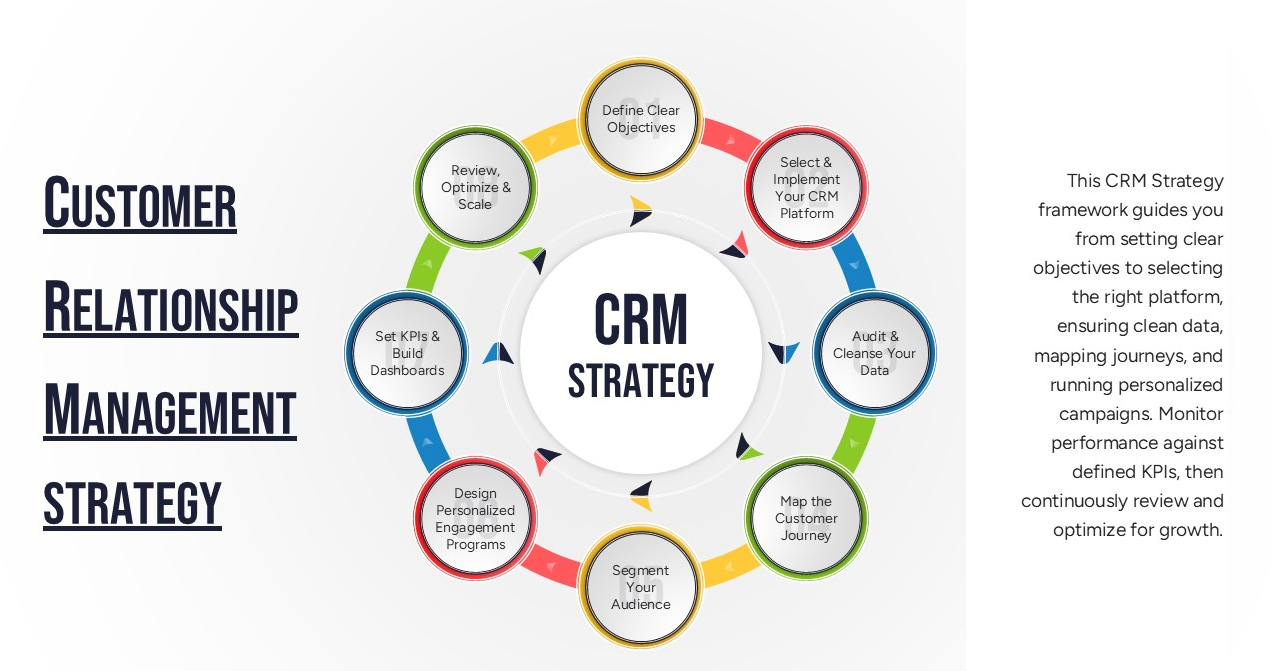
In today’s highly competitive digital landscape, businesses are constantly searching for ways to improve their marketing performance and maximize return on investment (ROI). One of the most powerful yet often underutilized resources is Customer Relationship Management (CRM) data. When used effectively, CRM data can transform your marketing strategy from guesswork into a highly targeted, data-driven approach that delivers measurable results.
This article will guide you through how to leverage CRM data to enhance your marketing strategy, improve customer engagement, and drive sustainable business growth. Whether you are a small business owner or part of a large enterprise, understanding how to use CRM data strategically can give you a significant competitive edge.
What is CRM Data?
CRM data refers to all the information your business collects about customers and prospects through a CRM system. This includes:
- Contact information (name, email, phone number)
- Purchase history
- Customer interactions (emails, calls, chats)
- Behavioral data (website visits, clicks, downloads)
- Customer preferences and feedback
- Demographic and firmographic details
This data provides a comprehensive view of your customers, enabling you to understand their needs, behaviors, and buying patterns.
Why CRM Data is Essential for Marketing
Using CRM data effectively can revolutionize your marketing efforts. Here are some key benefits:
1. Better Customer Understanding
CRM data helps you build detailed customer profiles, allowing you to understand who your customers are and what they want.
2. Improved Targeting
With accurate data, you can segment your audience and deliver highly personalized marketing messages.
3. Increased Conversion Rates
When your marketing is tailored to the right audience, your chances of converting leads into customers increase significantly.
4. Enhanced Customer Retention
By understanding customer behavior, you can create strategies to keep them engaged and loyal.
Step-by-Step Guide to Using CRM Data in Marketing
1. Centralize Your Data
The first step is ensuring all your customer data is stored in one centralized CRM system. This eliminates data silos and ensures consistency across your marketing efforts.
Best Practices:
- Integrate your CRM with marketing tools
- Regularly update and clean your data
- Ensure data accuracy and completeness
2. Segment Your Audience
Segmentation is one of the most powerful ways to use CRM data. Instead of sending generic messages, you can divide your audience into specific groups based on:
- Demographics
- Purchase history
- Engagement level
- Interests and preferences
Example:
You can create segments like:
- New customers
- Loyal customers
- Inactive customers
- High-value clients
This allows you to tailor your messaging for each group.
3. Personalize Your Marketing Campaigns
Personalization is key to modern marketing success. CRM data allows you to create highly personalized experiences for your customers.
Ways to personalize:
- Use customer names in emails
- Recommend products based on past purchases
- Send targeted offers and promotions
- Customize website experiences
Result:
Personalized campaigns can significantly increase engagement and conversion rates.
4. Use Behavioral Data for Better Insights
CRM systems often track customer behavior such as:
- Website visits
- Email opens and clicks
- Content downloads
By analyzing this data, you can understand what content resonates with your audience.
Actionable Tips:
- Identify high-performing content
- Adjust your messaging based on engagement
- Focus on channels that deliver the best results
5. Automate Your Marketing Efforts
Marketing automation becomes more effective when powered by CRM data.
Examples of automation:
- Welcome email sequences for new leads
- Abandoned cart reminders
- Re-engagement campaigns for inactive users
- Birthday or anniversary offers
Automation ensures timely communication and improves efficiency.
6. Align Sales and Marketing Teams
CRM data acts as a bridge between sales and marketing teams. When both teams have access to the same data, collaboration improves.
Benefits:
- Better lead qualification
- Consistent messaging
- Improved customer experience
Tip:
Hold regular meetings to review CRM insights and align strategies.
7. Track and Measure Performance
CRM data allows you to track key marketing metrics such as:
- Conversion rates
- Customer acquisition cost (CAC)
- Customer lifetime value (CLV)
- Campaign ROI
Why it matters:
Tracking performance helps you identify what works and what doesn’t, allowing for continuous improvement.
Advanced Strategies for Leveraging CRM Data
1. Predictive Analytics
By analyzing historical CRM data, you can predict future customer behavior.
Use cases:
- Identifying potential high-value customers
- Forecasting sales trends
- Anticipating customer needs
2. Customer Journey Mapping
CRM data helps you understand the entire customer journey, from first contact to purchase and beyond.
Steps:
- Identify touchpoints
- Analyze customer interactions
- Optimize each stage of the journey
3. Lead Scoring
Lead scoring involves assigning values to leads based on their likelihood to convert.
Criteria may include:
- Engagement level
- Purchase intent
- Demographic fit
This helps prioritize high-quality leads.
4. Cross-Selling and Upselling
CRM data reveals opportunities to increase revenue through cross-selling and upselling.
Examples:
- Suggest complementary products
- Offer premium upgrades
- Provide exclusive deals to loyal customers
Common Mistakes to Avoid
While CRM data is powerful, misuse can lead to poor results. Avoid these common mistakes:
1. Poor Data Quality
Inaccurate or outdated data can lead to ineffective campaigns.
2. Over-Segmentation
Too many segments can complicate your strategy and reduce efficiency.
3. Ignoring Data Privacy
Always comply with data protection regulations and respect customer privacy.
4. Lack of Strategy
Simply having data is not enough—you need a clear plan to use it effectively.
Tools to Enhance CRM Data Usage
To maximize the benefits of CRM data, consider integrating with tools such as:
- Email marketing platforms
- Marketing automation software
- Analytics tools
- Customer support systems
These integrations help create a seamless data ecosystem.
Real-World Example
Imagine an e-commerce company using CRM data:
- They identify customers who frequently purchase fitness products.
- They create a targeted email campaign offering discounts on new fitness gear.
- They personalize product recommendations based on past purchases.
- They track engagement and adjust future campaigns accordingly.
Result:
Higher engagement, increased sales, and improved customer satisfaction.
Future Trends in CRM and Marketing
The use of CRM data in marketing continues to evolve. Here are some trends to watch:
1. AI and Machine Learning
AI will enhance data analysis and enable more accurate predictions.
2. Hyper-Personalization
Marketing will become even more personalized using real-time data.
3. Omnichannel Integration
CRM data will unify customer experiences across all channels.
4. Data Privacy Focus
Stronger regulations will require businesses to prioritize data security and transparency.
Conclusion
CRM data is one of the most valuable assets for modern marketing. When used strategically, it enables businesses to understand their customers, personalize their campaigns, and achieve better results.
By centralizing your data, segmenting your audience, leveraging automation, and continuously analyzing performance, you can turn CRM insights into a powerful marketing engine.
The key is not just collecting data—but using it intelligently to create meaningful customer experiences. Businesses that master this approach will not only boost their marketing strategy but also build long-term customer relationships and sustainable growth.
Final Thoughts
Start small if necessary, but start now. Evaluate your current CRM system, identify opportunities for improvement, and gradually implement the strategies discussed in this article. Over time, you’ll see significant improvements in your marketing performance.