In today’s fast-paced digital economy, businesses are generating more data than ever before. From customer interactions and financial records to marketing analytics and operational workflows, data has become the backbone of modern organizations. However, managing this vast amount of information efficiently is a challenge—one that traditional systems often struggle to handle.
This is where cloud data management steps in as a transformative solution. By leveraging cloud technologies, businesses can streamline operations, enhance decision-making, and significantly improve overall efficiency. Companies like Amazon Web Services, Microsoft Azure, and Google Cloud Platform are leading the way in enabling organizations to modernize their data strategies.
In this comprehensive guide, we’ll explore how cloud data management can revolutionize your business efficiency, the key benefits it offers, and how you can implement it effectively.
What Is Cloud Data Management?
Cloud data management refers to the process of storing, organizing, securing, and analyzing data using cloud-based platforms rather than traditional on-premises systems. It involves tools and technologies that allow businesses to handle data across multiple environments—public cloud, private cloud, and hybrid setups.
Unlike legacy systems, cloud data management provides scalability, flexibility, and real-time access to data from anywhere in the world. This makes it an essential component for businesses looking to stay competitive in a digital-first landscape.
Why Traditional Data Management Falls Short
Before diving into the benefits of cloud solutions, it’s important to understand the limitations of traditional data management systems:
1. Limited Scalability
On-premises infrastructure requires significant investment in hardware and storage. Scaling up often means purchasing new equipment, which is both costly and time-consuming.
2. High Maintenance Costs
Maintaining servers, updating software, and ensuring system security require dedicated IT resources and ongoing expenses.
3. Data Silos
Data stored in different systems often becomes fragmented, making it difficult to access and analyze effectively.
4. Lack of Real-Time Insights
Traditional systems may not support real-time data processing, delaying critical business decisions.
Key Benefits of Cloud Data Management
1. Enhanced Operational Efficiency
Cloud data management automates many manual processes, reducing the workload on your team. Tasks such as data backup, updates, and system maintenance are handled by cloud providers, allowing your staff to focus on strategic initiatives.
Automation also minimizes human error, leading to more accurate data handling and improved productivity.
2. Scalability on Demand
One of the biggest advantages of cloud platforms is their ability to scale resources up or down based on your business needs. Whether you’re experiencing rapid growth or seasonal fluctuations, cloud solutions adapt instantly without requiring additional hardware.
This flexibility ensures that you only pay for what you use, optimizing cost efficiency.
3. Real-Time Data Access and Collaboration
Cloud-based systems allow employees to access data from anywhere, at any time. This is especially valuable for remote teams and global organizations.
Real-time access enables better collaboration, faster decision-making, and improved responsiveness to market changes.
4. Improved Data Security
Contrary to common misconceptions, cloud platforms offer robust security measures, including:
- Data encryption
- Multi-factor authentication
- Regular security updates
- Compliance with global standards
Leading providers like Amazon Web Services and Microsoft Azure invest heavily in security infrastructure, often surpassing what individual businesses can achieve on their own.
5. Cost Reduction
Cloud data management eliminates the need for expensive hardware and reduces IT maintenance costs. Businesses can transition from capital expenditures (CapEx) to operational expenditures (OpEx), making budgeting more predictable.
Additionally, automation and improved efficiency lead to lower labor costs over time.
6. Better Data Integration
Cloud platforms enable seamless integration with various tools and applications, such as CRM systems, marketing platforms, and analytics tools.
This integration eliminates data silos and provides a unified view of your business operations.
7. Advanced Analytics and Insights
Cloud data management systems often include built-in analytics tools powered by artificial intelligence and machine learning.
For example, Google Cloud Platform offers advanced data analytics services that allow businesses to uncover trends, predict outcomes, and make data-driven decisions.
How Cloud Data Management Transforms Business Efficiency
1. Streamlining Business Processes
Cloud solutions automate repetitive tasks such as data entry, reporting, and backups. This reduces manual intervention and accelerates workflows.
For example, instead of manually compiling reports, businesses can generate real-time dashboards that update automatically.
2. Enabling Faster Decision-Making
With real-time access to accurate data, managers can make informed decisions quickly. This agility is crucial in competitive markets where timing can make or break opportunities.
3. Supporting Remote Work and Mobility
Cloud data management empowers employees to work from anywhere without compromising productivity. This flexibility not only improves efficiency but also enhances employee satisfaction.
4. Enhancing Customer Experience
By centralizing customer data, businesses can gain deeper insights into customer behavior and preferences. This allows for personalized marketing, faster support, and improved overall customer experience.
5. Increasing Innovation
Cloud platforms provide access to cutting-edge technologies such as AI, machine learning, and big data analytics. Businesses can experiment, innovate, and deploy new solutions بسرعة without significant upfront investment.
Real-World Use Cases
1. E-Commerce Businesses
Online retailers use cloud data management to track inventory, analyze customer behavior, and optimize supply chains in real time.
2. Financial Services
Banks and financial institutions rely on cloud solutions for secure data storage, fraud detection, and regulatory compliance.
3. Healthcare Organizations
Hospitals use cloud platforms to manage patient records, improve diagnostics, and enable telemedicine services.
4. Marketing Agencies
Marketing teams leverage cloud analytics to measure campaign performance, optimize strategies, and improve ROI.
Steps to Implement Cloud Data Management
1. Assess Your Current Infrastructure
Start by evaluating your existing data systems and identifying areas that need improvement.
2. Choose the Right Cloud Provider
Select a provider that aligns with your business needs. Popular options include:
- Amazon Web Services
- Microsoft Azure
- Google Cloud Platform
Consider factors such as pricing, scalability, security, and available features.
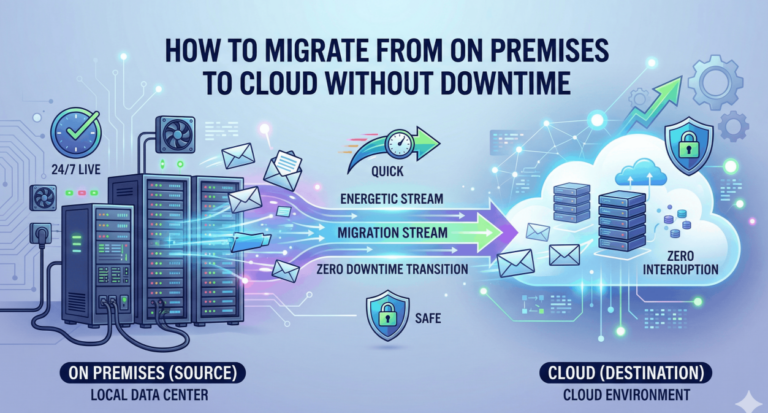
3. Develop a Data Migration Strategy
Plan how you will transfer data from your existing systems to the cloud. This may involve:
- Data cleaning
- Data mapping
- Testing and validation
4. Implement Security Measures
Ensure that your data is protected by implementing strong security protocols, including encryption and access controls.
5. Train Your Team
Provide training to ensure that your employees understand how to use cloud tools effectively.
6. Monitor and Optimize
Continuously monitor system performance and optimize your cloud setup to maximize efficiency.
Challenges and How to Overcome Them
1. Data Migration Complexity
Solution: Use automated tools and work with experienced cloud consultants.
2. Security Concerns
Solution: Choose reputable providers and implement strict security policies.
3. Cost Management
Solution: Monitor usage and optimize resources to avoid unnecessary expenses.
4. Integration Issues
Solution: Use APIs and integration platforms to ensure seamless connectivity.
Future Trends in Cloud Data Management
1. Artificial Intelligence Integration
AI will play a bigger role in automating data management and providing predictive insights.
2. Multi-Cloud Strategies
Businesses will increasingly use multiple cloud providers to avoid vendor lock-in and improve resilience.
3. Edge Computing
Processing data closer to its source will reduce latency and improve performance.
4. Enhanced Data Governance
Stricter regulations will drive the need for better data management and compliance solutions.
Best Practices for Maximizing Efficiency
To get the most out of cloud data management, follow these best practices:
- Regularly audit your data
- Implement strong access controls
- Automate routine tasks
- Use analytics to guide decisions
- Continuously optimize your cloud environment
Conclusion
Cloud data management is no longer a luxury—it’s a necessity for businesses aiming to thrive in the digital age. By adopting cloud-based solutions, organizations can streamline operations, reduce costs, and unlock powerful insights that drive growth.
With platforms like Amazon Web Services, Microsoft Azure, and Google Cloud Platform, businesses of all sizes have access to world-class tools that can transform their efficiency and competitiveness.
The key is to start with a clear strategy, choose the right tools, and continuously optimize your approach. When implemented correctly, cloud data management can become a game-changer—empowering your business to operate smarter, faster, and more efficiently than ever before.